The honest answer is that the building is the predictable part. A straightforward business site is a few weeks of development, and a developer who has done it before can tell you how many with reasonable confidence.
What makes projects run to twice their estimate is almost never the code.
A realistic shape
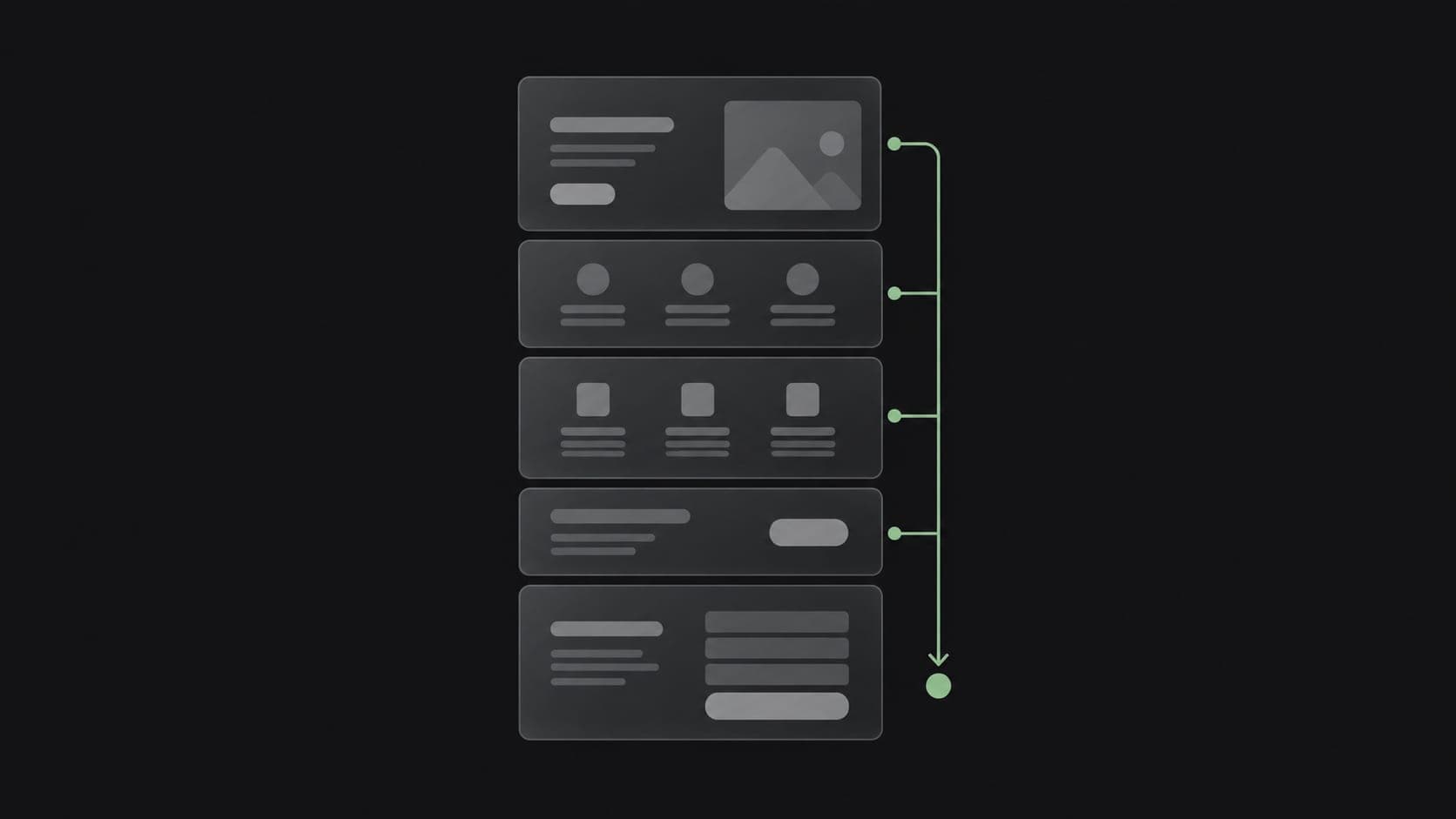
For a standard business site — homepage, services, about, contact, a handful of templates — expect something like this:
- Week 1: scoping and structure. What pages exist, what each one has to achieve, what happens when someone wants to get in touch.
- Weeks 2–3: design of the templates, not every page. Sign-off here.
- Weeks 3–5: build, including the phone layouts, which are not an afterthought.
- Week 5–6: content loaded, search basics in place, testing, launch.
Six weeks is a fair figure for that scope with content ready. Larger builds with integrations or a product catalogue run longer, but the shape stays the same.
Where it actually stalls
Content. This is first by a distance. The build is finished, the pages are waiting, and the text hasn't been written because the person who has to write it runs the business. Weeks disappear here, invisibly, and they are the hardest weeks to get back because nobody is working during them.
Fix: agree who writes what, by when, before the build starts. Supply real content early, even rough. A page built around real text rarely needs rework; one built around placeholder text usually does.
Approval with no named approver. When feedback arrives from four people with different opinions and no one decides, a round that should take two days takes two weeks. Name a single approver before design starts. It is the cheapest schedule protection available.
Scope added quietly. A booking system "while we're at it", a second language, a blog nobody mentioned. Each is reasonable alone; together they double the project. Any of these is fine if it is agreed and quoted. The damage comes from absorbing them silently and then missing the date.
What you should ask for
Ask for the timeline broken into stages with a named deliverable at each, and ask what the developer needs from you at each stage, with dates. A plan that lists only what the agency will do is half a plan — most of the delay risk sits on the client side, and a good one will tell you that plainly.
Then ask what happens if content is late. A straight answer means they have seen it before.
We work this way on every build — see website development for the stage breakdown, or our process for how a project runs end to end. If you're still choosing who to work with, how to choose the right technology partner covers what to ask.