Before someone calls, visits, or buys, they usually look. A search result, a shared link, a QR code on a menu or a flyer — whatever the path, it tends to end on a website. For a growing business, that page is doing a job whether you've designed it to or not: it is either building confidence or quietly costing you enquiries.
The website is doing more work than it gets credit for
It's easy to think of a website as a formality — something every business is supposed to have, sitting somewhere between a logo and a business card. In practice, it is closer to a full-time employee. It answers the same questions every visitor asks: what does this business actually do, is it credible, and how do I get in touch? A site that answers those questions clearly, quickly, and on any device is doing real work. One that doesn't is leaving that job half-finished.
What "professional" actually means here
Professional doesn't mean expensive-looking for its own sake. It means the site does a specific set of things well:
- Loads fast. Visitors decide within seconds whether to stay.
- Explains value clearly, without forcing people to guess what you do.
- Works properly on a phone, since most first visits happen there.
- Makes the next step obvious — call, message, enquire, or buy.
- Looks current, because an outdated design quietly signals an outdated business, even if that isn't true.
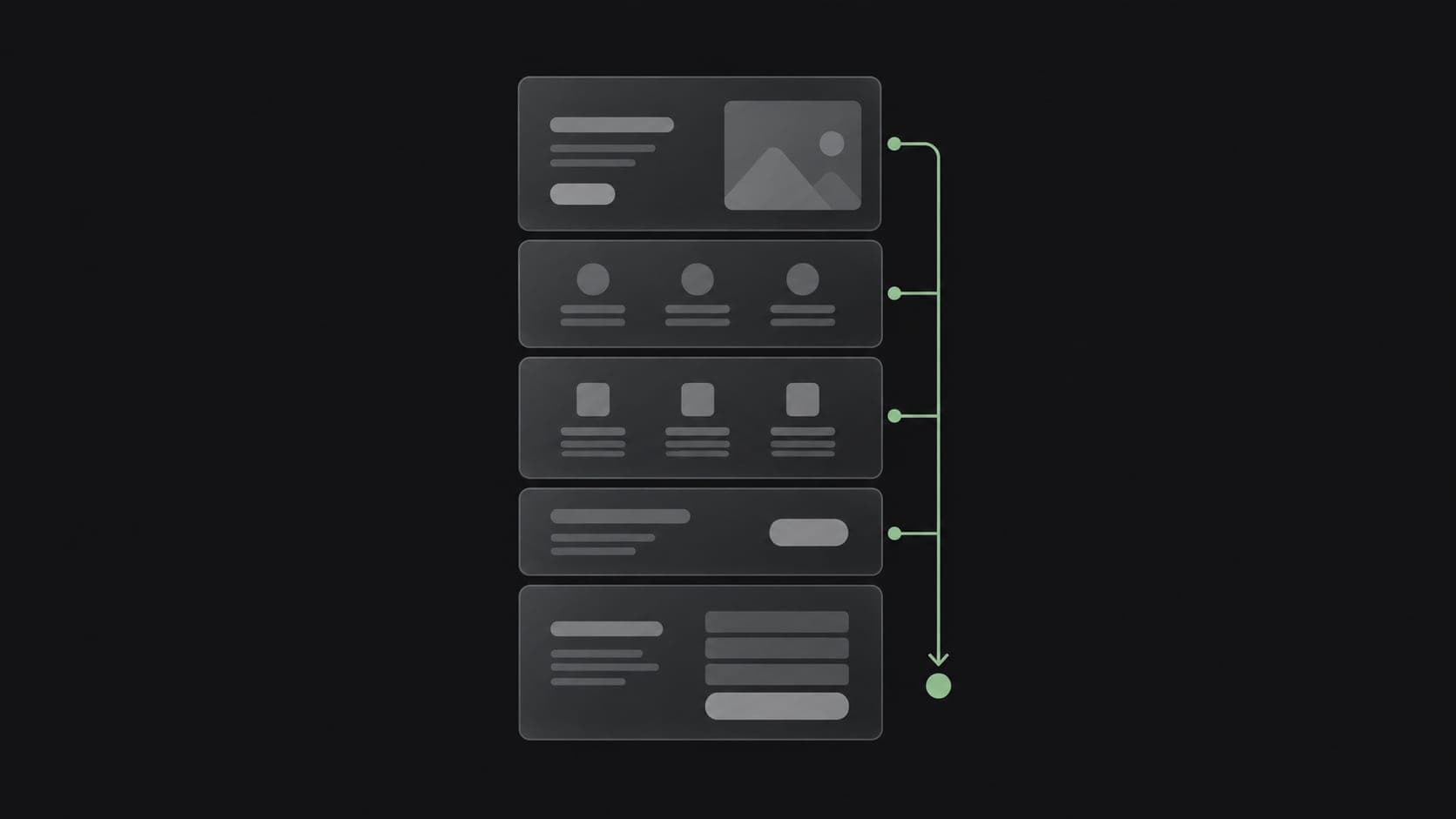
None of this requires excess. It requires the site to be built around what the visitor actually needs, rather than around a generic template stretched to fit.
The cost of getting this wrong
The businesses that suffer most from a weak website rarely notice the damage directly — there's no error message for a lost enquiry. It shows up as a slightly lower conversion rate, a slightly higher bounce rate, a slightly longer sales cycle, all of which are hard to trace back to "the site felt outdated." Over a year, that slow leak adds up to real, missed revenue.
A website should support growth, not just exist
As a business grows, its website should grow with it — new services need new pages, new locations need to be reflected, and new proof points (real project work, real results) need somewhere to live. A site built as a static one-time project tends to fall behind quickly. A site built with a maintainable structure can be extended as the business changes, instead of needing to be rebuilt from scratch every couple of years.
Where to start
If your current site was built years ago, was handed down from an earlier version of the business, or was assembled quickly out of necessity, the fix is rarely "add more pages." It's usually a smaller, more focused question: does this site clearly explain what we do, to the people we actually want to reach, in a way that makes it easy for them to act? If the honest answer is no, that's the starting point — not a full rebuild for its own sake, but a website designed around that specific gap.